Winter's Formula Explained Step by Step (Expected PaCO₂ Guide)
Learn Winter's formula step by step to calculate expected PaCO2 in metabolic acidosis, identify appropriate compensation, and detect mixed acid-base disorders.
Evidence-based posts for clinicians and students covering ABG and VBG interpretation, breathwork, COPD, oxygenation, ventilation, and respiratory education.
Use the PulmTools blog to go deeper on the same topics covered in our calculators, simulators, and bedside tools, with practical clinical explanations and student-friendly breakdowns.
Jump straight from PulmTools articles into the calculators and simulators that match the same topic cluster. This makes the blog feel more like a clinical resource hub instead of a simple post archive.
Showing a compact tag index by default to keep the page clean.
125 tags available across the PulmTools blog.
Filtered posts based on your current search or tag.

Learn Winter's formula step by step to calculate expected PaCO2 in metabolic acidosis, identify appropriate compensation, and detect mixed acid-base disorders.

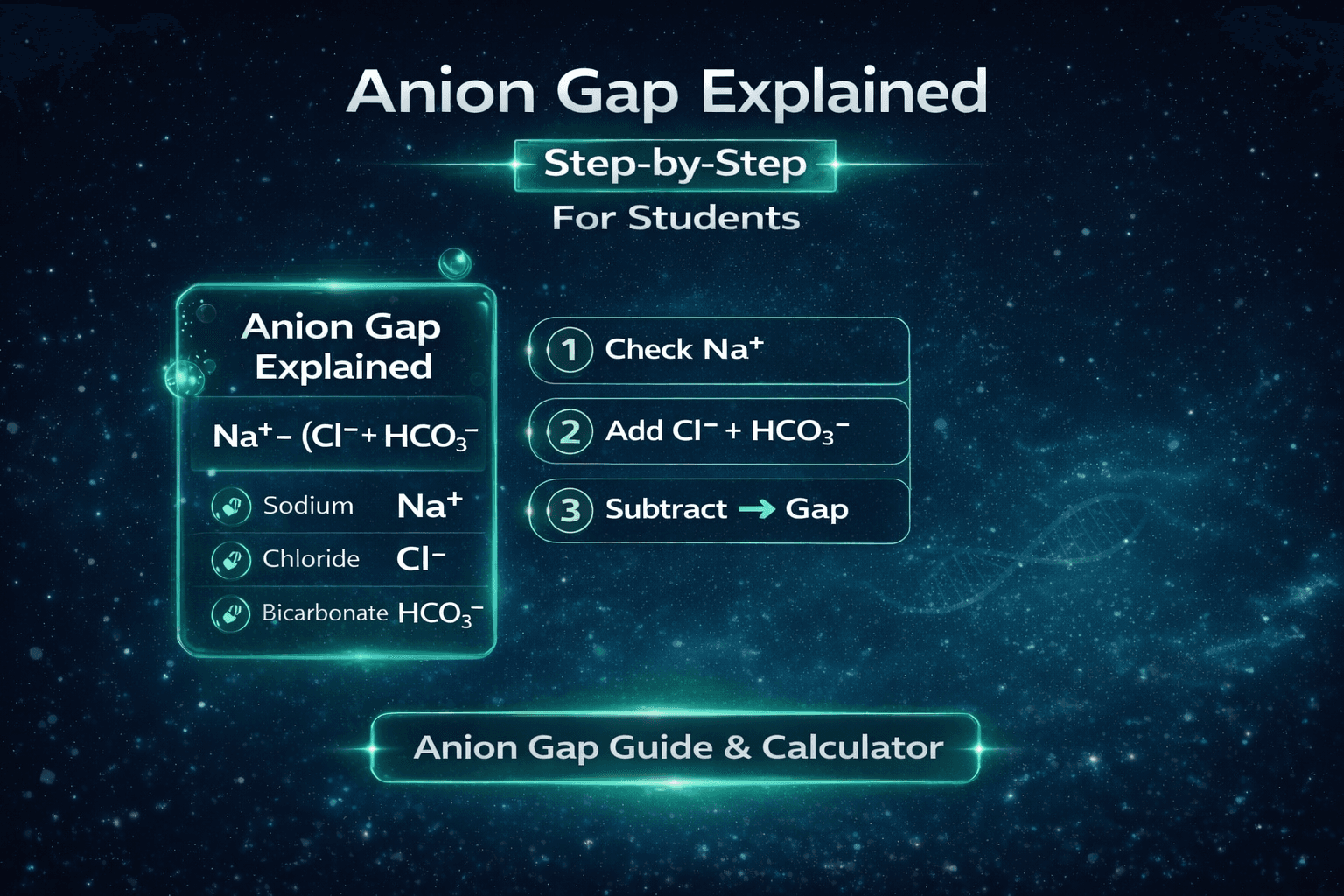
Learn the anion gap formula step by step (Na − (Cl + HCO3)), normal values, and how to interpret high vs normal anion gap metabolic acidosis.

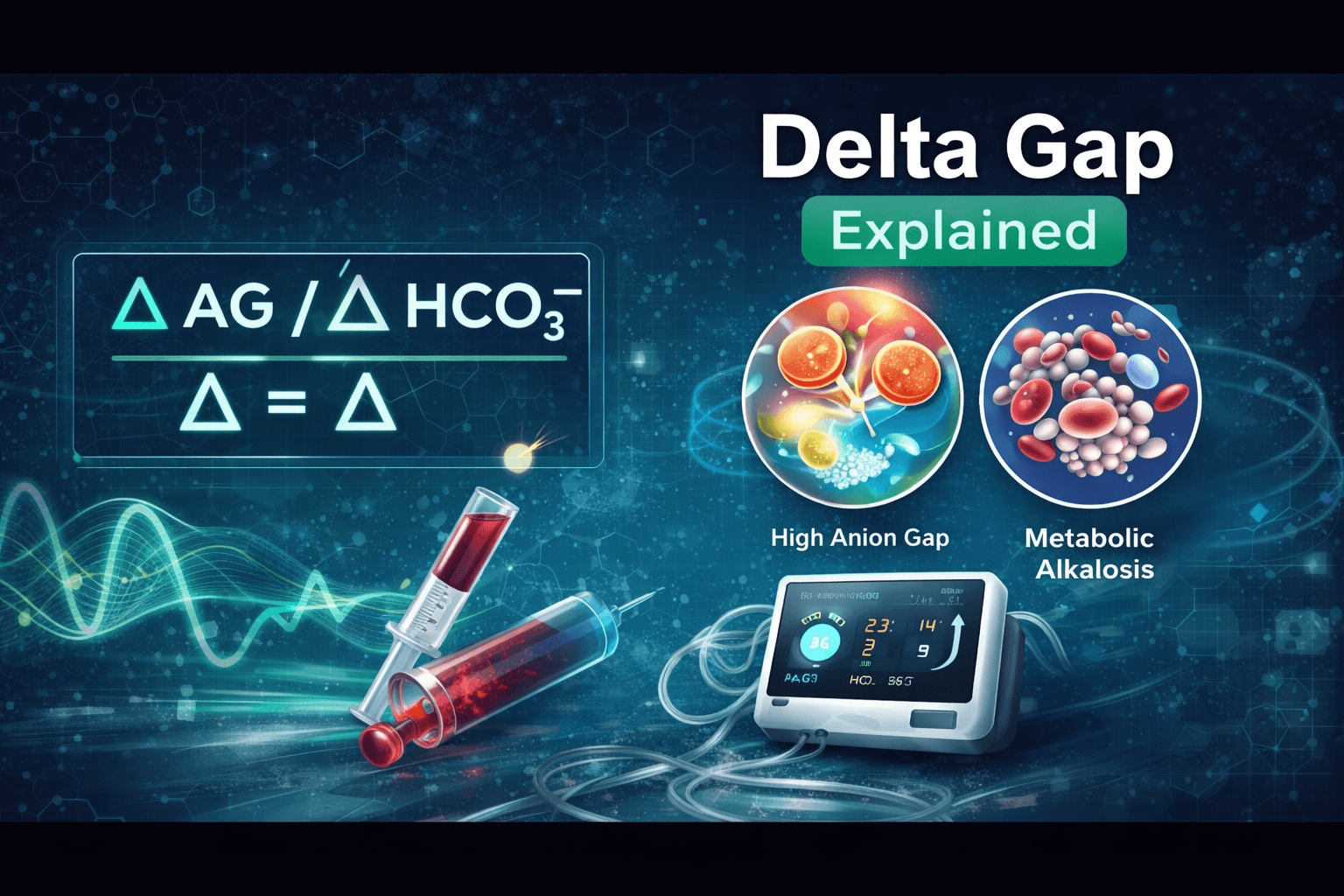
Learn the delta gap formula step by step, compare the change in anion gap to the change in bicarbonate, and detect mixed acid-base disorders.

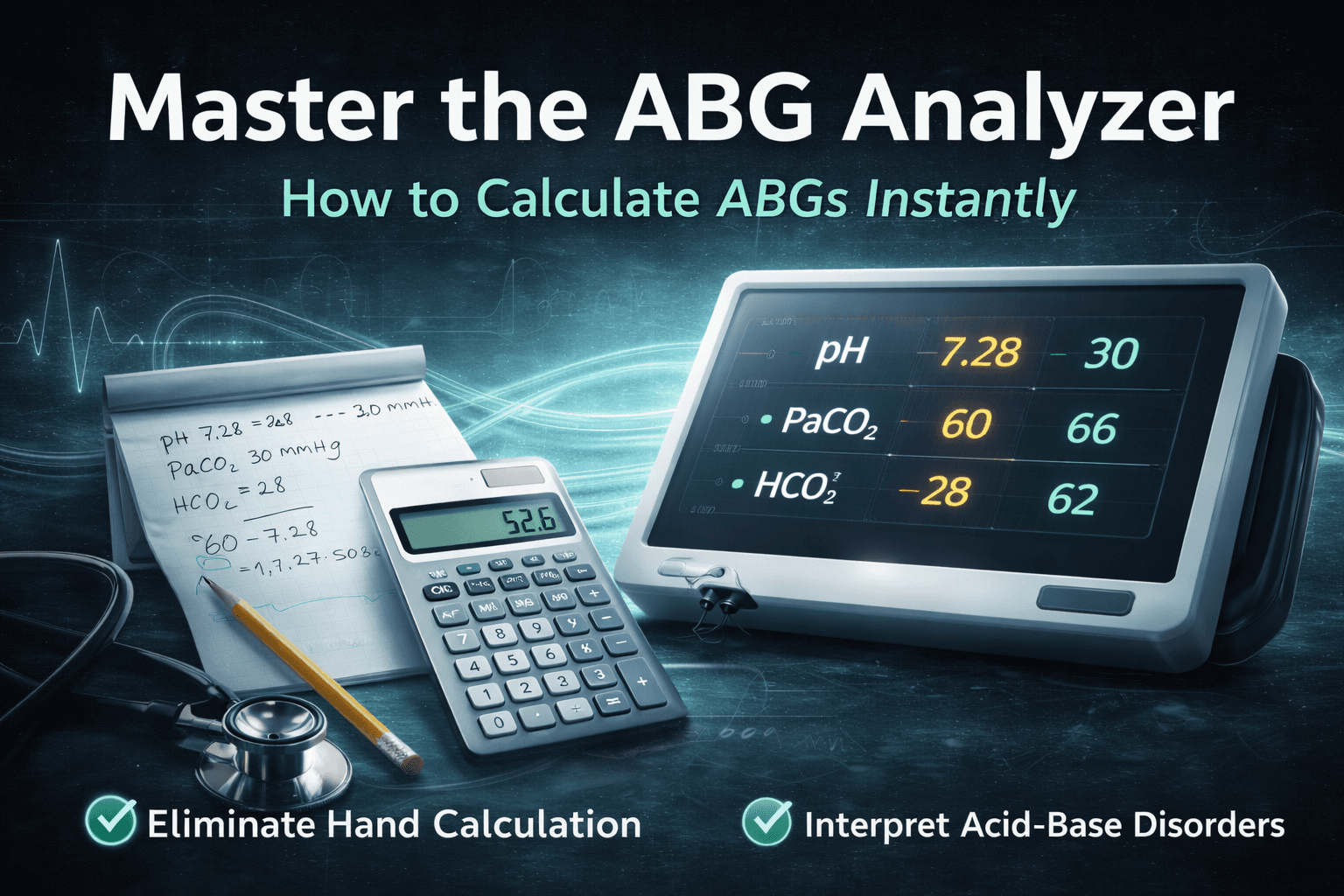
Learn how to use an ABG calculator to interpret pH, PaCO₂, HCO₃⁻, and oxygenation. Includes step-by-step ABG analysis, compensation, and clinical examples.

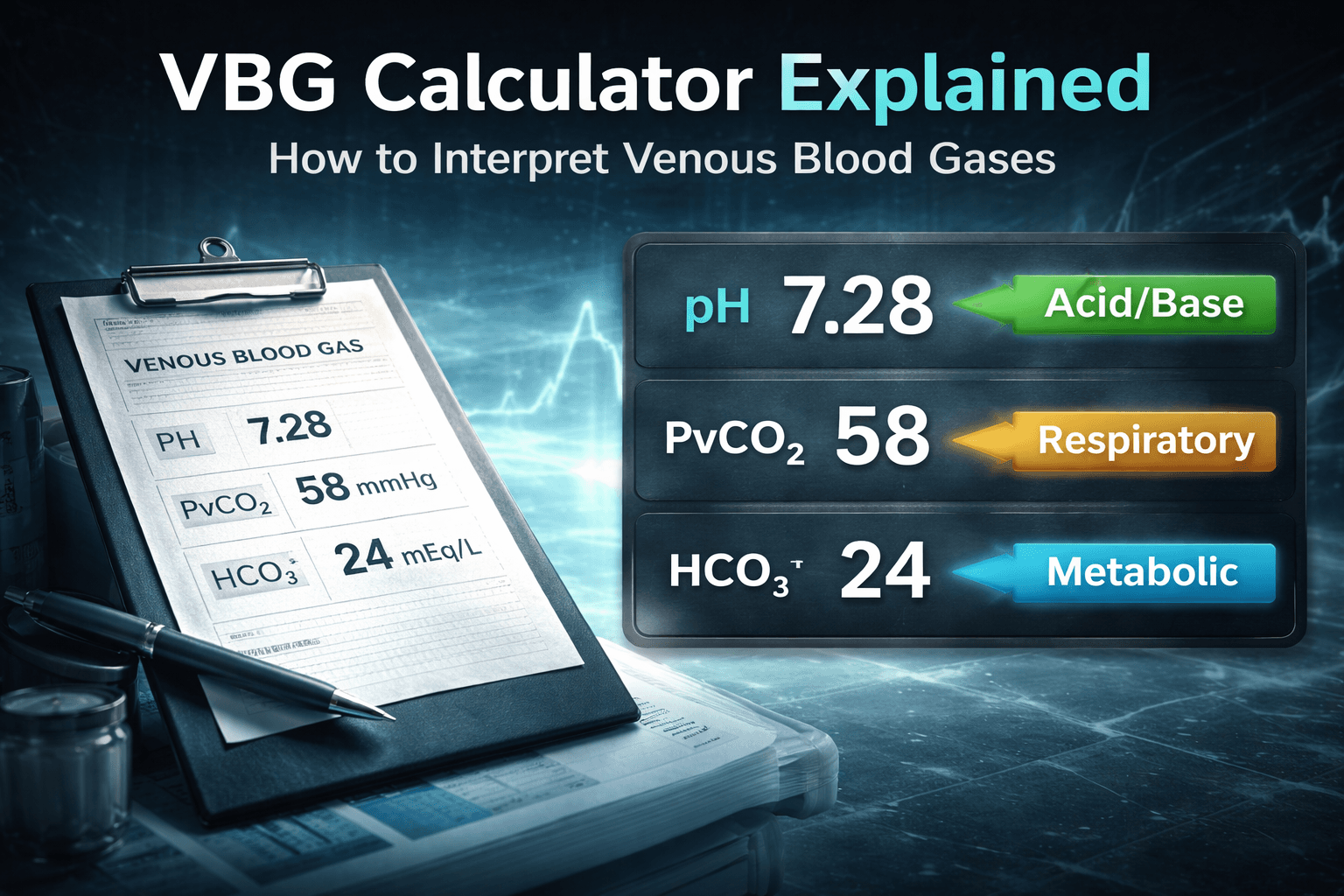
Learn how to use a VBG calculator to interpret pH, PvCO₂, and HCO₃⁻. Includes venous blood gas analysis, compensation patterns, and when to use VBG vs ABG.

Understand Winter's Formula for expected PaCO₂ in metabolic acidosis, how to apply it, and how to detect mixed disorders step by step.

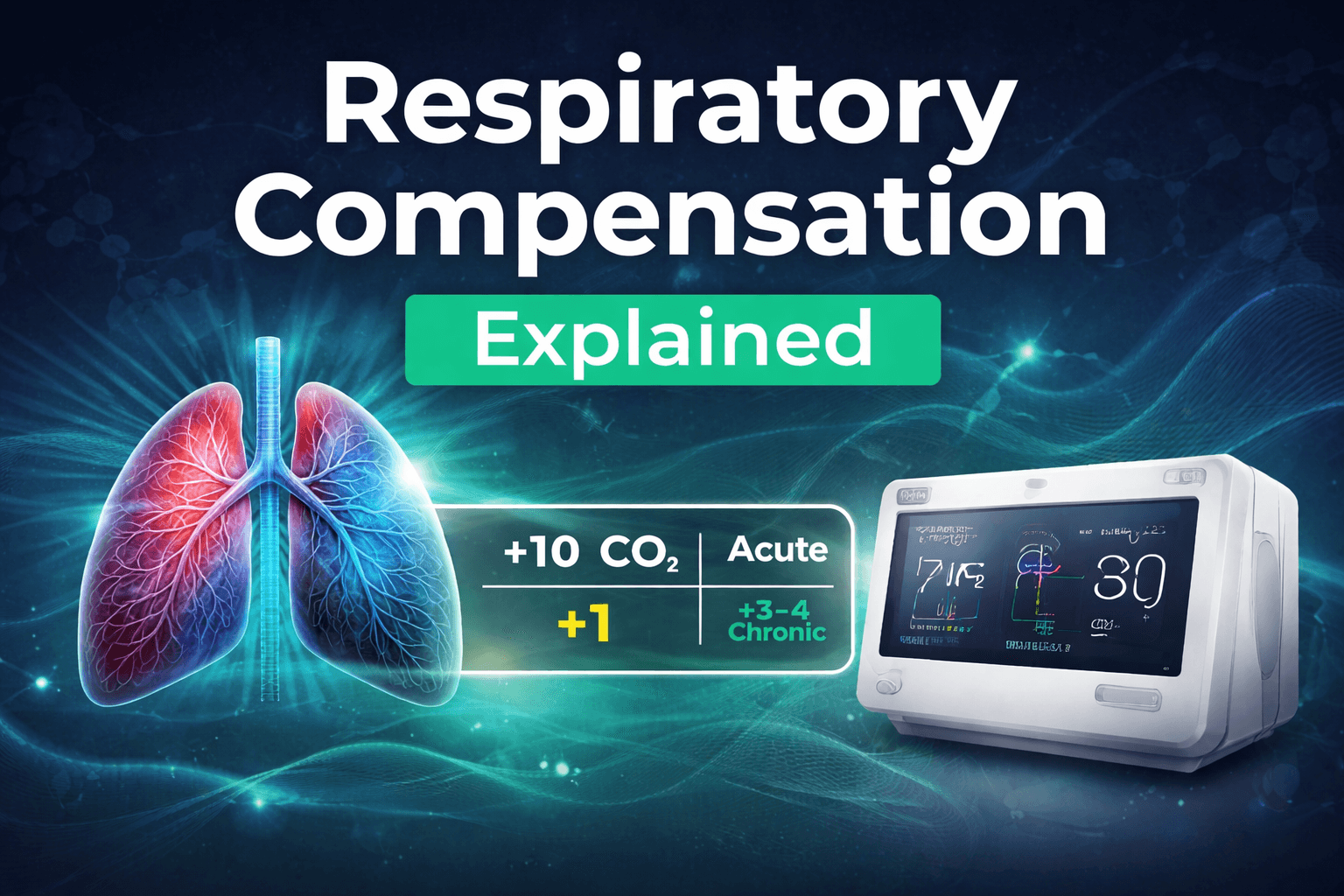
Learn how respiratory compensation works in acid-base disorders, including acute vs chronic changes in PaCO₂ and HCO₃⁻ with clear clinical rules and examples.

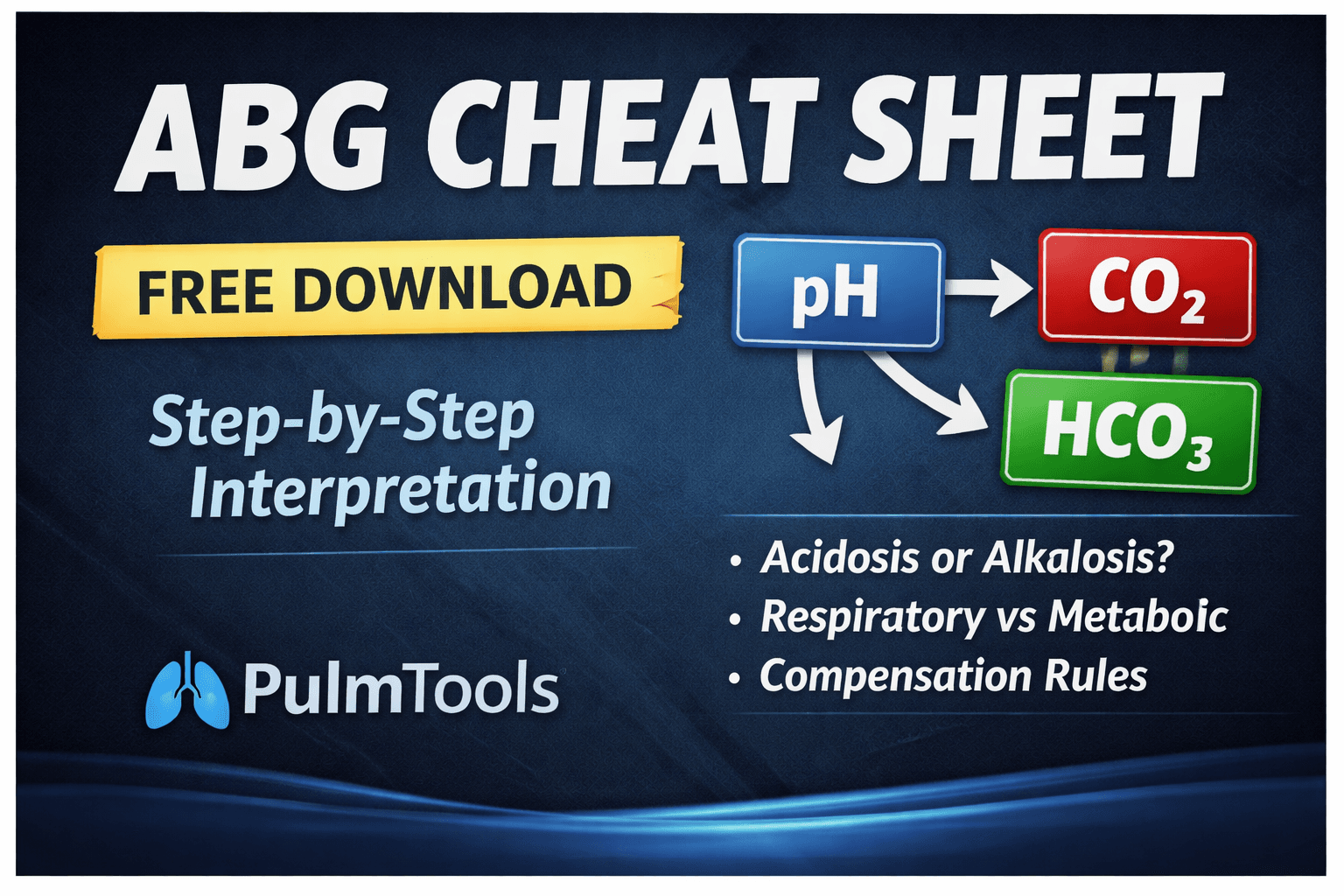
Download a free ABG cheat sheet and learn a fast, repeatable approach to arterial blood gas interpretation including pH, CO₂, HCO₃⁻, compensation, and oxygenation.